The development of breasts in men — a condition called gynecomastia — can be frustrating and embarrassing. It affects millions of men of all ages. Fortunately, gynecomastia is easily treated by male breast reduction surgery. For men in Northbrook, Arlington Heights, and the North Shore area, plastic surgery offers a discreet, effective solution to gynecomastia. Board-certified plastic surgeon Dr. Mark Sisco can help you restore a masculine look to your chest and regain confidence in your physique.
If you’d like to meet with Dr. Sisco, please request a consultation or call NorthShore Plastic Surgery at (847) 504-2333. Located just north of Chicago, our office is minutes away from Arlington Heights, Glenview, Highland Park and Glencoe.
Your Consultation
You’ll begin with a private consultation with Dr. Sisco. During this appointment, you work together to review your medical history, as well as any lifestyle factors that may contribute to the development of gynecomastia. Dr. Sisco examines your chest, explains the surgical process to you, and helps you determine if you’re a good candidate.
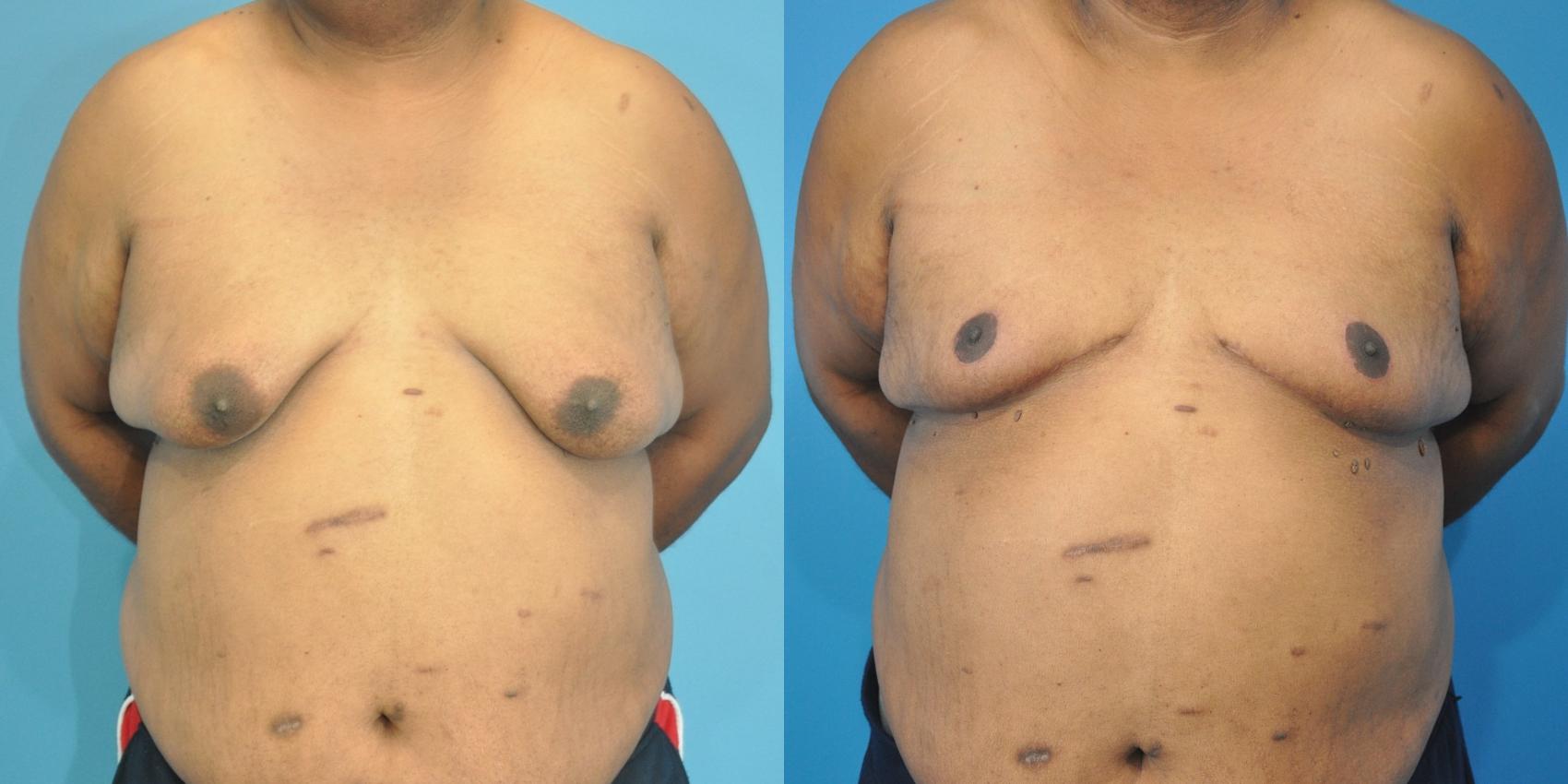
Male Breast Reduction Before & After Photos
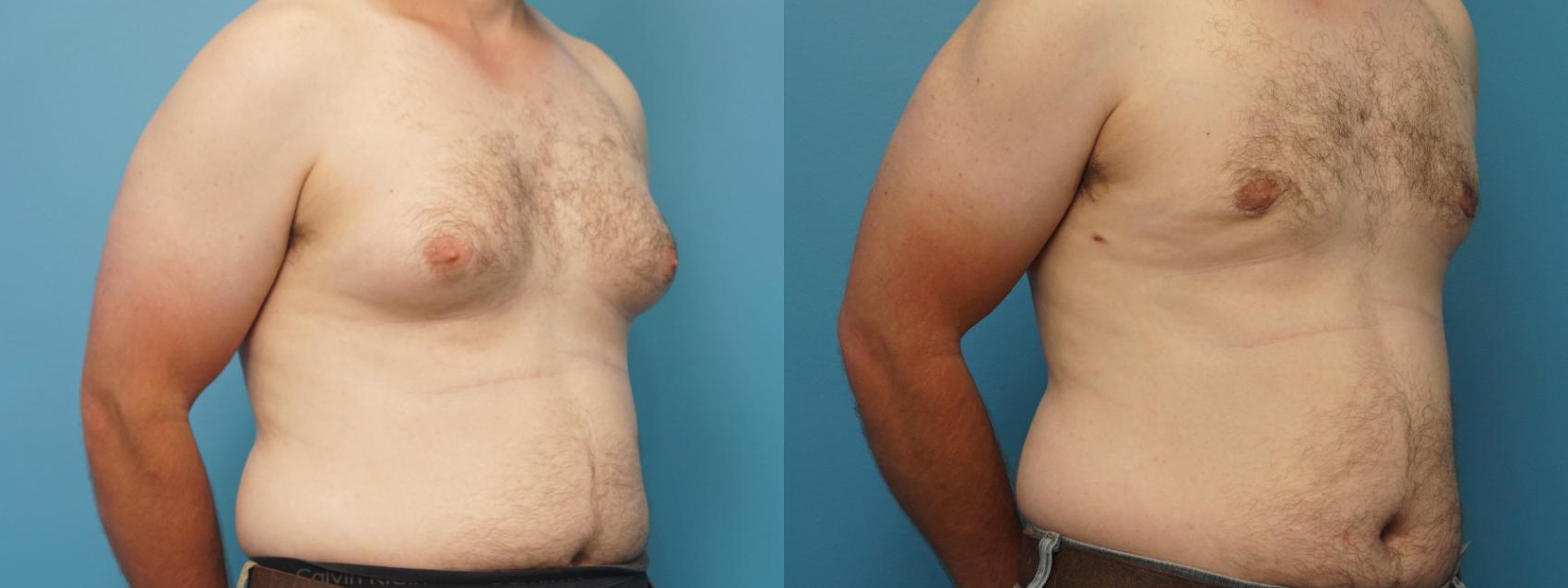
Male Breast Reduction
This man in his 40s was self-conscious about excess breast tissue, a condition known as gynecomastia. Dr. Sisco performed a direct excision to remove the tissue and combined it with power-assisted liposuction to refine the contour of his chest. The result is a more masculine, toned appearance, helping him feel more confident and comfortable i... Read More
Keep in mind that each patient is unique and your results may vary.
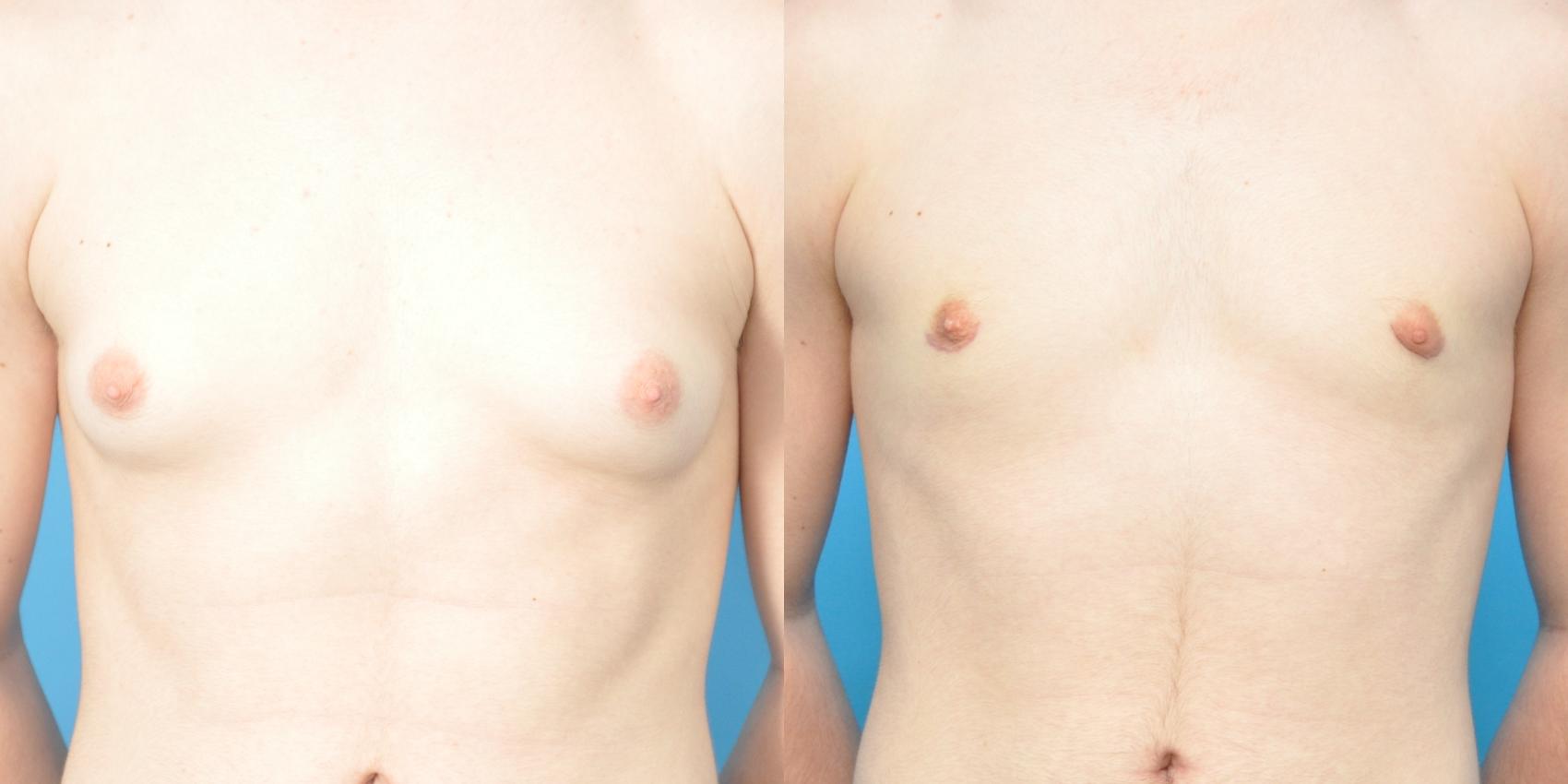
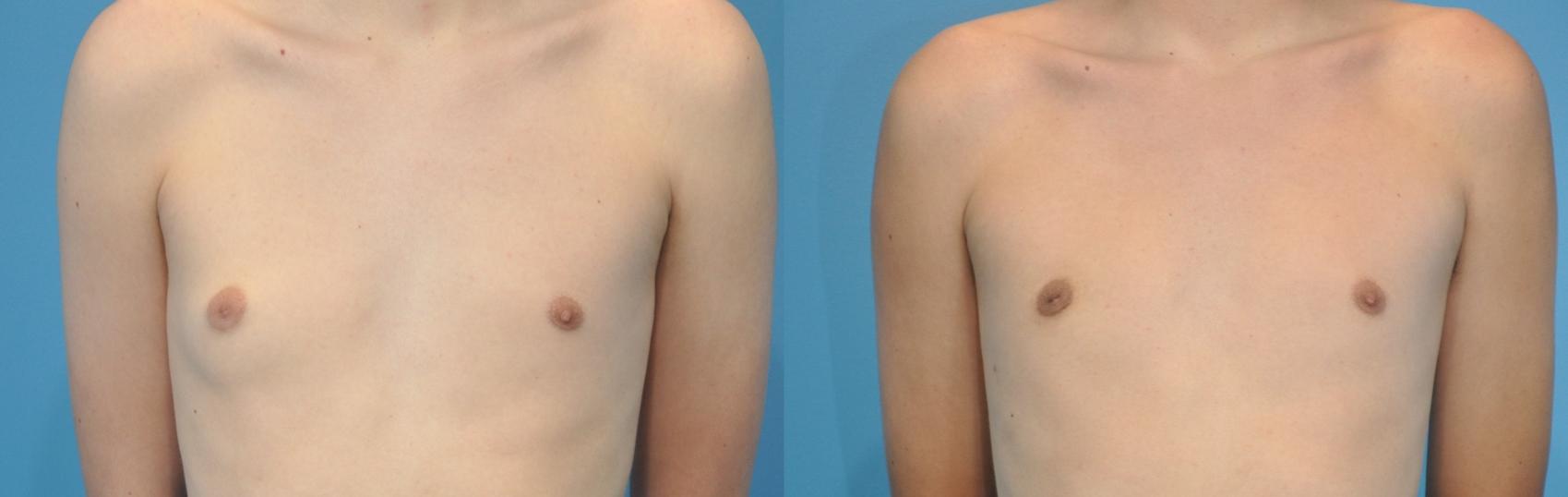
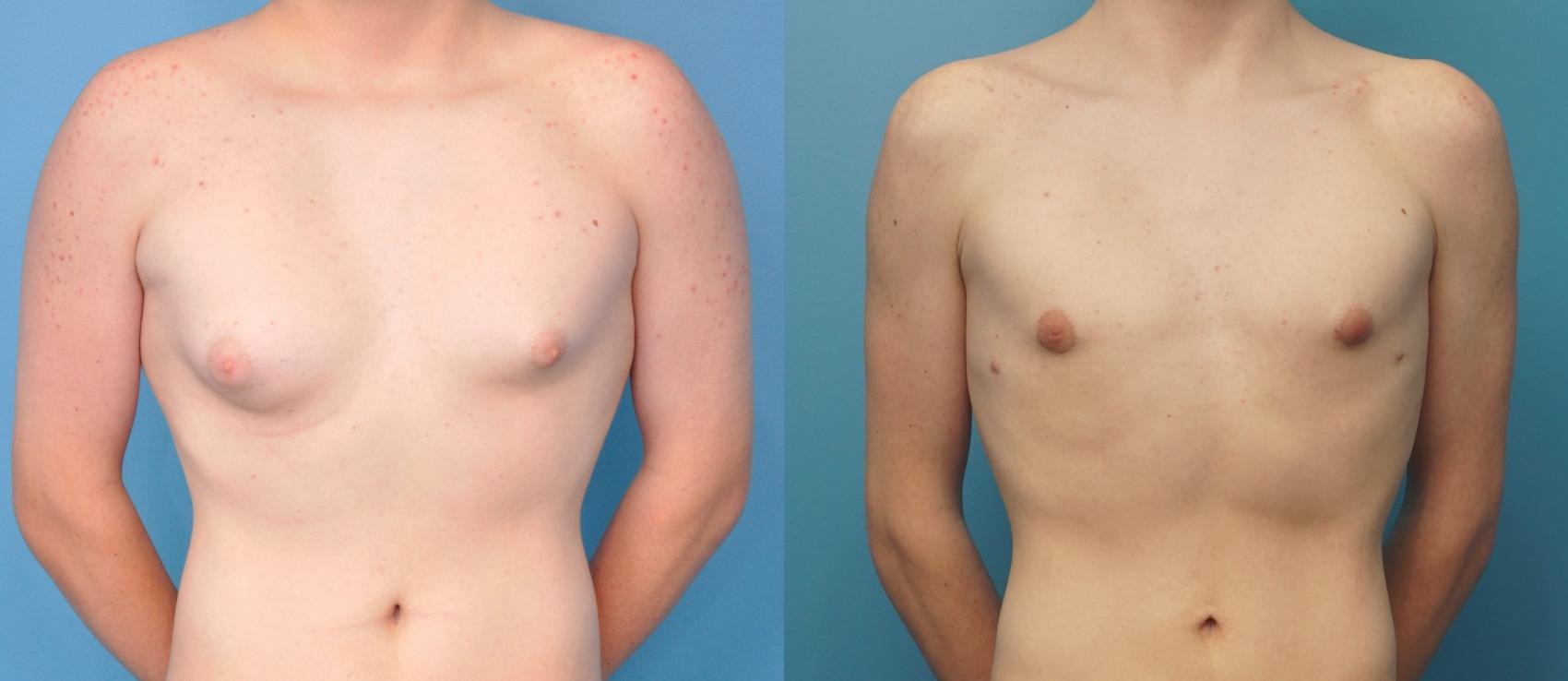
This teenager suffered from enlarged breasts. Dr. Sisco performed male breast reduction using ultrasound liposuction and direct removal of breast tissue to contour his chest into a more masculine appearance. Read More
Keep in mind that each patient is unique and your results may vary.
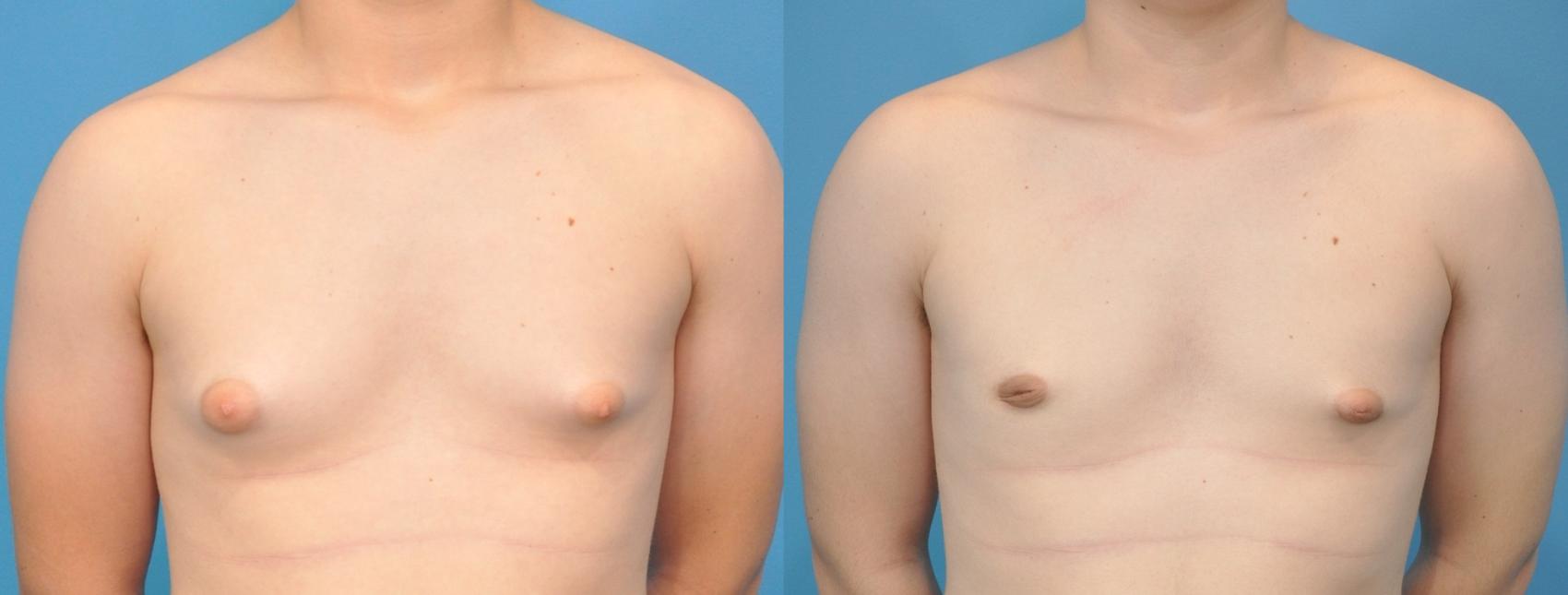
This teenager suffered from enlarged breasts. Dr. Sisco performed male breast reduction using ultrasound liposuction and direct removal of breast tissue to contour his chest into a more masculine appearance. Read More
Keep in mind that each patient is unique and your results may vary.
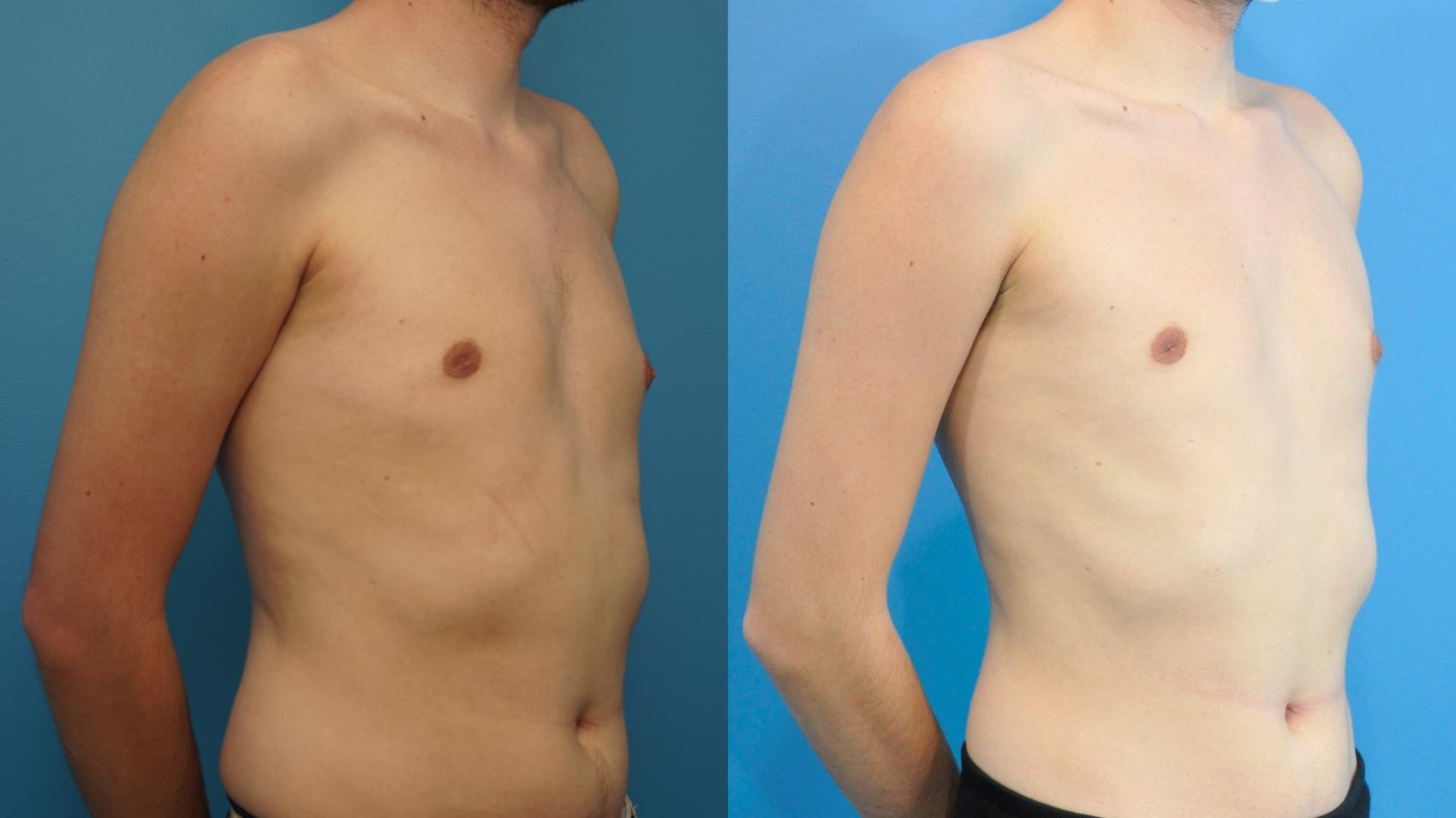
Dr. Sisco performed male breast reduction surgery using liposuction to treat this 20-year-old man's unilateral gynecomastia. Read More
Keep in mind that each patient is unique and your results may vary.
Male Breast Reduction
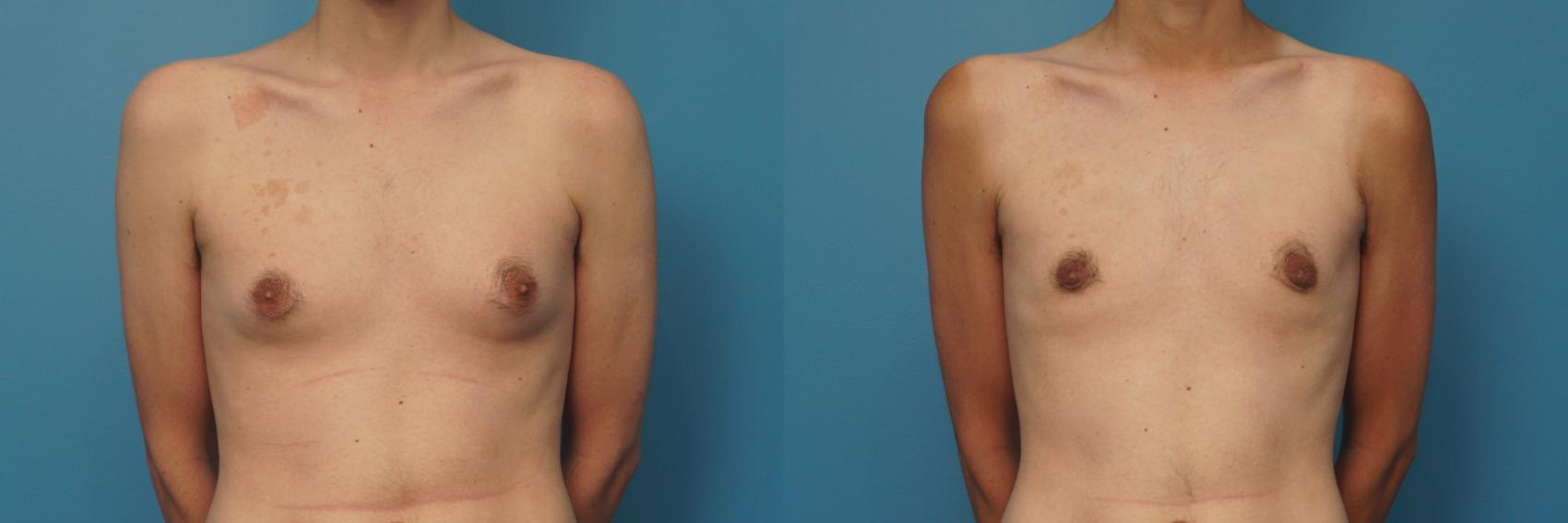
A man in his 30s was unhappy with the appearance of his chest due to excessive breast tissue, a condition that left him feeling self-conscious and frustrated. Despite efforts with diet and exercise, the excess tissue persisted, preventing him from achieving a masculine chest contour.Dr. Sisco addressed his concerns using a combination... Read More
Keep in mind that each patient is unique and your results may vary.
How Is Male Breast Reduction Performed?
Depending on the extent of your surgery, Dr. Sisco may place you under general anesthesia or simply use a local anesthetic with sedation. In some cases, he may use only liposuction to create the desired result. More advanced cases may require excision of the mammary gland. In either case, Dr. Sisco uses small incisions, which heal with discreet scars.
Mark Sisco, M.D.
Board-certified plastic surgeon Dr. Mark Sisco has trained at some of the most esteemed institutions in the country, and he brings the skills he attained there to his practice in Northbrook. From extensive reconstructive procedures to delicate, targeted liposuction, Dr. Sisco serves your needs from head to toe.





Recovery After Male Breast Reduction
After your outpatient surgery is complete, you can return home to rest. Most male breast reduction patients take less than a week to recuperate at home before returning to work and light activity. You’ll need to wear a bandage, but it is well concealed beneath your clothes. Adhering to a good diet and consistent exercise is the best way to make the results of your male breast reduction permanent.
How Much Does Male Breast Reduction Surgery Cost?
In Chicago, the cost of male breast reduction surgery depends on several different factors. These include the following:
- Fees charged by the anesthesiologist
- Fees charged by the surgical facility
During your consultation with Dr. Sisco, we provide you with an estimate that details the cost of your breast reduction surgery. We encourage you to take it home, look it over and make an informed decision.
Causes of Gynecomastia
Gynecomastia develops when there’s an imbalance between testosterone and estrogen, causing excess glandular tissue in the chest. This condition can happen to men of all ages and may result from a variety of factors, including:
- Hormonal Changes: Common during puberty or aging when hormone levels naturally fluctuate.
- Medications: Certain antidepressants, heart medications, anabolic steroids, and ulcer drugs can contribute.
- Substance Use: Alcohol, marijuana, and some recreational drugs can disrupt hormone balance.
- Health Conditions: Conditions such as obesity, thyroid disorders, or liver and kidney disease can raise estrogen levels.
- Natural Life Stages: Temporary enlargement may occur in newborns, adolescents, or older men due to hormonal shifts.
Benefits of Gynecomastia Surgery
- Improved Chest Contour: The surgery restores a flatter, more masculine chest shape that looks natural both in and out of clothing.
- Enhanced Self-Confidence: Many men report feeling more comfortable in fitted shirts or while participating in activities like swimming or going to the gym.
- Permanent Results: Once the excess tissue is gone, results are long-lasting when patients maintain a healthy weight and lifestyle.
- Better Posture and Comfort: Reducing excess breast tissue can help ease physical discomfort or tightness in the chest.
- Easier Clothing Fit: Shirts and suits often fit more naturally, allowing patients to dress with confidence.

Who Is a Good Candidate for Gynecomastia Surgery?
You may be a candidate if:
- You have enlarged or uneven breasts due to excess glandular tissue or fat.
- Your condition has not improved with exercise, diet, or medical management.
- You are generally in good health and at a stable weight.
- You do not smoke or are willing to quit before surgery.
- Your breast development has stabilized (typically after adolescence).
- You have realistic expectations about the procedure and results.
Frequently Asked Questions
In some adolescent cases, it may resolve as hormone levels stabilize. However, persistent gynecomastia in adults typically requires surgical correction for lasting results.
Recurrence is rare but can occur if hormone levels fluctuate, certain medications are resumed, or weight gain leads to fat accumulation in the chest.
As with all surgeries, risks may include bleeding, infection, changes in nipple sensation, or asymmetry. Choosing a qualified surgeon minimizes these risks.
You will see a difference almost immediately, but swelling will continue to decrease for several weeks. Final results are typically seen after three to six months.
Yes, many patients combine it with liposuction of other areas or body contouring for more balanced results.
You’ll need to stop smoking, avoid certain medications or supplements that increase bleeding risk, and arrange for a ride home after surgery.
Incisions are typically made along the edge of the areola, where scars can blend with the natural color transition of the skin. If liposuction is performed, additional small incisions may be placed in discreet locations on the chest.
Gynecomastia surgery scars are generally small and strategically placed to minimize visibility. Although some scarring is unavoidable, most scars become less noticeable as they heal and mature.
Male breast reduction scars typically begin fading within several months, with continued improvement over 12-18 months. Following your surgeon's scar care instructions and protecting incisions from sun exposure can help improve their appearance.
Some cases of gynecomastia improve without surgery, particularly when caused by puberty, certain medications, or treatable hormonal conditions. However, persistent glandular breast tissue often requires surgery for significant reduction.
Light walking is encouraged soon after surgery to promote circulation. Most patients can gradually resume more strenuous exercise, including weightlifting and chest workouts, after approximately four to six weeks, depending on their surgeon's recommendations.
Male breast reduction can create a flatter, firmer, and more masculine chest. While surgery does not build muscle, it may make your existing pectoral muscles appear more defined.
Male breast reduction surgery typically takes one to three hours, depending on the amount of tissue being removed and whether liposuction, glandular tissue excision, or skin removal is required.
Yes, male breast reduction can improve puffy nipples caused by excess glandular tissue beneath the areolas. If the areolas are enlarged, Dr. Sisco may use an additional technique to reduce their size and improve chest proportions.
Gynecomastia involves excess glandular breast tissue, which may feel like a firm or rubbery mass beneath the nipple. Excess chest fat generally feels softer and more evenly distributed. A physical examination can help determine whether you have gynecomastia, excess fat, or both.
Yes, teenagers with persistent gynecomastia may be candidates for male breast reduction surgery. However, because puberty-related gynecomastia frequently resolves on its own, surgeons generally recommend waiting until breast development has stabilized before considering surgery.
Not necessarily. Patients who are already near a healthy, stable weight may be good candidates for surgery. However, if excess body fat contributes to chest enlargement, losing weight before surgery may improve results and help determine how much glandular tissue remains.
Yes, gynecomastia can affect men of any body type, including those who are naturally thin or physically fit. Because the condition involves glandular breast tissue rather than just fat, even lean men may develop noticeable chest enlargement.
Yes, you should arrange for a responsible adult to drive you home after surgery and stay with you for the next 24 hours, particularly if you receive general anesthesia or sedation. You may also need assistance with household tasks that involve lifting, reaching, or strenuous movement during the first few days of recovery.
Regain Confidence with Male Breast Reduction in Northbrook, IL
Gynecomastia is more common than most men realize, and it’s highly treatable. If you’ve noticed persistent breast enlargement that hasn’t improved with lifestyle changes, it may be time to consult a specialist.
Call us at 847-504-2333 to schedule your private consultation today to learn more about your options for male breast reduction and find out if gynecomastia surgery is right for you.
A Reputation Built on Results
Mark Sisco M.D. is rated 5 out of 5.0 based on 112 ratings.
Went to Dr Sisco about 2 to 3 years ago to remove gyno from my chest. I was very fit and it was about the size of a golf ball so it ...
So kind and competent! Great experience
Very professional, very good at what he does. I had a breast reduction and every step of the process, from my first consultation to my final post op appointment, was ...
Dr Sisco is an amazing Dr. he is kind and caring and did a phenomenal job. The surgery experience at Evanston hospital was flawless and I feel very well taken ...